Hydraulic Railing Benders for Pontoon and Marine OEMs — 20+ Years, Five Marine OEMs
Bristol builds the hydraulic railing benders that five active pontoon and marine OEMs use to produce their railings — 20+ years in continuous production, approximately $510,000 in annual revenue across the platform. Bristol builds the machines; the OEMs weld and assemble railings at their own facilities. Same equipment, same buyer relationships, same shop. When you need a tooling partner who will still be here at year seven of a ten-year program, that track record is the argument.
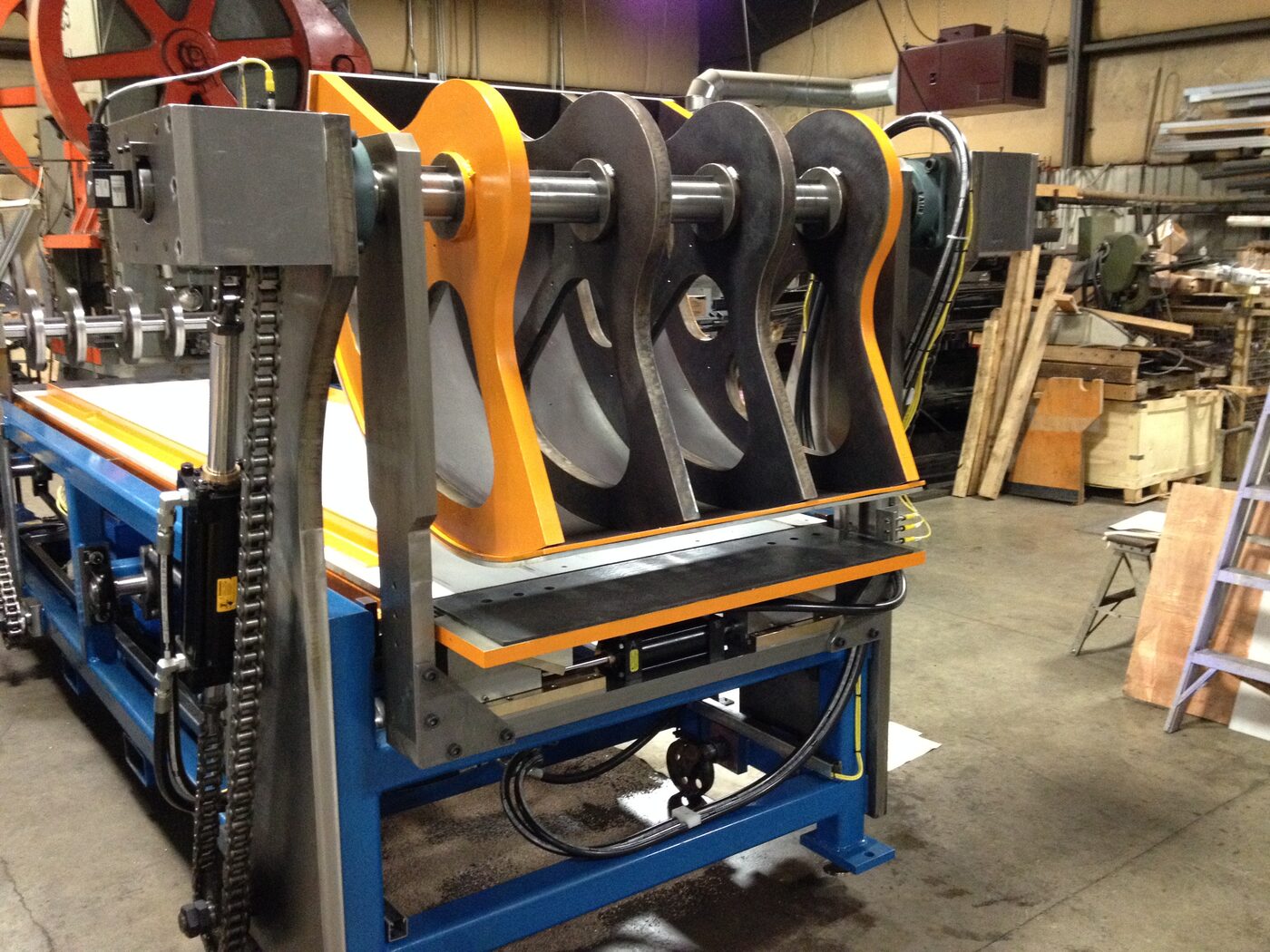
The hydraulic railing bender platform that anchors marine OEM production
The major Midwest pontoon brands and marine OEMs across North America are running railings produced on Bristol tooling — and have been for over a decade. Bristol's hydraulic railing benders produce pontoon railings for five active marine OEMs and currently represents approximately $510,000 in annual revenue. Same equipment. Same buyer relationships. Ten-plus years in continuous production. That is the kind of multi-year, multi-OEM continuity that pontoon procurement teams use as a proxy for vendor reliability before they place a program that runs seven years.
The hydraulic railing benders produce railings that are dimensionally correct and visually clean: consistent radius, no chatter marks, no draw lines, no scuffing on the visible surface. Pontoon railings are the component the end customer sees on day one. That surface quality is not negotiable.
What a Bristol partnership delivers to pontoon and marine OEMs
Railing tooling that holds radius and finish across model years
Bristol's bender platform handles the consistent radius and finish quality the market expects — across 6061-T6, 6063-T5, and 6005A-T61 aluminum tempers. The same machine architecture, serving five OEMs, over 20 years. The repeatability that produces the result is built into the tooling design, not dialed in at every setup.
Deck framing and chassis tooling that integrates downstream
Stamping dies and weld fixtures for deck framing, cross-members, and structural components. Waterjet-cut structural plate for downstream welding. Material is typically aluminum extrusion and sheet — designed and produced on the same equipment that supplies the railing program.
Three things pontoon OEMs need from a tooling partner — and how Bristol delivers
Pre-season delivery that doesn't move
A retooling project for the next model year that slips two months costs the OEM production revenue, not just timeline. Bristol books to conservative lead times because we will not commit to a date we cannot defend. Checkpoint gates and written schedules so schedule changes are communicated as soon as they are known, not the week before delivery.
Marine-grade engineering we won't cut corners on
Pontoon and marine components live in a wet, sometimes saltwater environment. Material selection, fastener selection, and finish all affect service life. Bristol's design review includes service-environment considerations and will flag a specification we don't believe will hold up — before the tooling is built, not after the first field season.
A partner that will still be here at year seven
Pontoon tooling typically supports five-to-ten-year program runs. A tooling partner that closes or consolidates at year four is a program risk priced into the PO. Bristol has 25 years of continuity at one address through two recessions, a pandemic, and the supply-chain turbulence that disrupted adjacent industries. The bender platform we built over a decade ago is still in active production today.
Frequently Asked Questions — Pontoon & Marine
What Pontoon & Marine buyers typically want to know before engaging a custom tooling and automation partner.
Does Bristol supply tooling to major pontoon brands?
Yes. Bristol builds hydraulic railing benders used by five active pontoon OEMs and has been in continuous production for more than a decade.
Bristol also supplies additional tooling, automation, and component manufacturing to pontoon and marine OEMs across North America.
Specific customer names are competitively sensitive and treated as confidential outside qualification discussions. References can be provided during qualification.
What materials does Bristol commonly work with for marine applications?
Marine projects at Bristol most commonly involve:
- Aluminum extrusion: 6061-T6 (structural railing, higher yield), 6063-T5 (decorative profiles, smoother surface), 6005A-T61 (marine and RV structural extrusions)
- Stainless steel: 300-series for fasteners and high-corrosion components
- Mild steel: structural elements, powder-coated for service-environment protection
Material selection is part of the design review on every project. We will flag known service-environment issues with a specified material rather than build to a print we don’t believe will hold up.
Can Bristol handle the seasonal schedule pressure typical in pontoon production?
Yes — the pontoon industry's pre-season retool cycle is part of how we plan capacity.
Bristol absorbs pontoon-industry retool work primarily in fall and winter, with delivery and commissioning before the spring production ramp.
Schedules are written with checkpoint gates, and lead times are quoted conservatively because slipping a pre-season tool is more expensive for the OEM than starting two weeks earlier.
How long has Bristol been supplying the pontoon industry?
Over a decade in continuous supply to the current generation of pontoon OEMs, with earlier marine-industry work going back further.
The hydraulic railing bender platform we built and currently support has been in production for more than ten years across multiple OEM customers — the kind of multi-year, multi-customer continuity the industry uses as a proxy for vendor reliability.
Who does the welding on the pontoon railings?
The OEM welds at their own facility. Bristol builds the hydraulic railing bender machines that produce the precise bent tube geometries the OEM then welds into finished railing assemblies. Bristol does not weld or fabricate railings.
Capabilities applied in Pontoon & Marine
The disciplines Bristol most commonly draws on for projects in this industry.
Ready to discuss your project?
Tell us your part, your volume, and your timeline. We’ll respond within one business day with a clear next step.