
Progressive Dies and Precision Stampings for Medical and Orthopedic Component Manufacturing
Bristol serves non-implantable, non-sterile medical component manufacturing for orthopedic and medical device OEMs — including the Warsaw, Indiana corridor and customers nationally. Materials: 17-4 PH, 316L, MP35N, Nitinol, Ti 6Al-4V. Gauge: 0.020″–0.040″ typical. Wire EDM to ±.0001″. First-article inspection and material traceability on every build. That is the precision die-build and prototype-stamping discipline Bristol brings to every medical program.
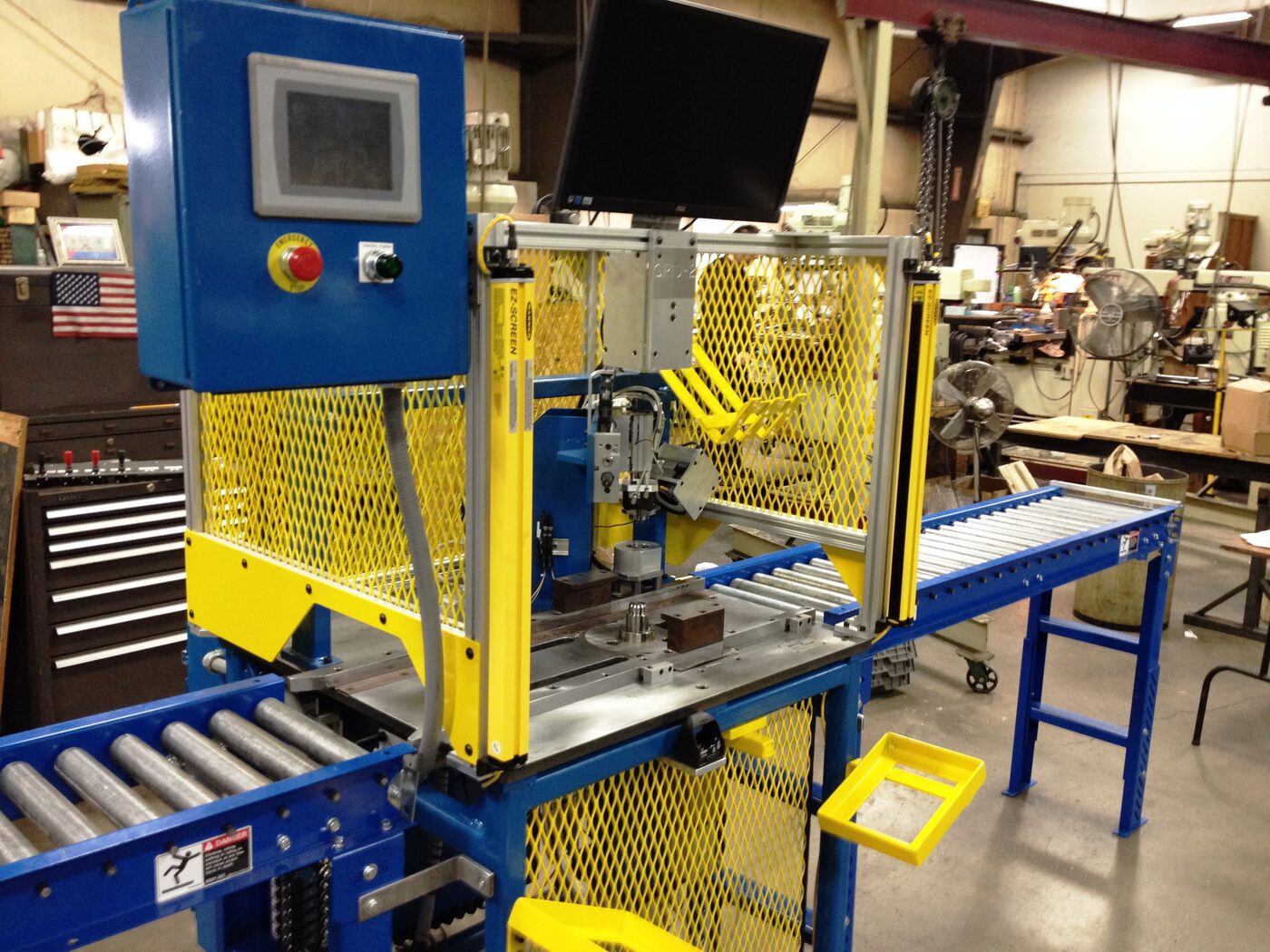
Precision tooling for medical device manufacturers — defined scope, no overreach
Bristol serves non-implantable, non-sterile medical component manufacturing for orthopedic and medical device OEMs — including the Warsaw, Indiana corridor and customers nationally. That scope definition is not a limitation; it is precision. The quality requirement for this work is tight tolerance, documented first-article inspection, and material traceability — exactly the validated tooling discipline that 25 years of production work and two Charmilles Robofil wire EDM machines at ±.0001″ are built to deliver.
Medical device contract manufacturers come to Bristol for die-build and prototype-stamping work where the component has to be dimensionally correct on first article, material traceability has to be unbroken, and the shop has to be technically capable enough to flag a specification issue before it becomes a production problem.
Medical-grade materials and alloys Bristol works with
Medical and orthopedic components run specialty alloys with demanding work-hardening curves. Bristol's experience with these materials in stamping and wire EDM:
- 17-4 PH stainless — precipitation-hardened, high strength-to-weight, used for surgical instruments and device structural components. Work-hardens rapidly; die clearances and punch geometry must account for springback.
- 316L stainless — low carbon for weld-corrosion resistance; standard for implant-adjacent and high-sterilization-cycle components. Softer than 17-4 PH, different clearance and punch geometry requirements.
- MP35N — cobalt-nickel-chromium-molybdenum alloy; high fatigue strength for cardiovascular and orthopedic implant-adjacent stampings. Extreme work-hardening rate — tooling strategy differs materially from 316L.
- Nitinol (NiTi) — superelastic, shape-memory behavior; typically wire EDM for stent and clip geometry rather than progressive die stamping.
- Titanium 6Al-4V — aerospace-grade titanium alloy used for orthopedic and trauma device components. Galling tendency requires specific die coatings and lubrication protocols.
Material gauge for medical small-part progressive dies: typically 0.020″ to 0.040″. Part envelopes are small — dies are compact, station spacing is tight, and wire EDM finishing of punch and die details is standard rather than optional.
What Bristol delivers for medical device manufacturers
Precision stampings in the alloys the industry actually runs
Small-form-factor stamped parts for instruments, surgical tools (non-sterile), device housings, and component-level structural parts. 17-4 PH, 316L, MP35N — at 0.020″–0.040″ gauge, in progressive dies with tight station spacing and wire EDM punch and die details to ±.0001″. The die clearances are designed for the actual work-hardening rate of the material. That matters in these alloys.
Wire EDM details where ±.0001″ is the minimum acceptable
Sharp internal corners, narrow slots, post-heat-treat geometry that no rotating tool reaches — the Charmilles Robofil holds ±.0001″ on hardened material, which is the standard the device internals require. Two machines. Redundant capacity.
CNC components and prototype parts for device design iteration
Custom turned and milled components, fixturing for device assembly, and prototype parts for medical device design programs that need to iterate. Typical prototype turnaround: 2–4 weeks.
Custom fixturing for device assembly operations
Assembly fixtures, inspection check fixtures, and gauges — built to the same dimensional standard as the production components they qualify.
The quality documentation Bristol provides on every medical build
First-article inspection with dimensions documented against print. Material certifications and lot-level traceability passed through from supplied material. Process documentation sufficient for the customer's device file. Customer-witnessed inspection when direct verification is required. Controlled handling of design files and customer information under documented internal discipline.
Why Bristol's defined scope protects the medical customer
Bristol focuses on non-implantable, non-sterile component manufacturing. That definition is not a hedge — it is the segment where tight tolerance, documented inspection, and material traceability are the governing quality requirements, and where Bristol's investment in wire EDM and precision die-build directly meets the bar. When the work is outside that definition, we say so before quoting it.
Frequently Asked Questions — Medical Stamping
What Medical Stamping buyers typically want to know before engaging a custom tooling and automation partner.
What types of medical work does Bristol specialize in?
Bristol specializes in non-implantable, non-sterile component manufacturing: precision progressive dies, prototype stampings, and wire EDM components for medical device contract manufacturers and OEMs.
The quality requirements we serve are tight tolerance, documented first-article inspection, and material traceability — the validated tooling discipline at the core of what we do.
What materials and gauges does Bristol work with for medical components?
Non-implantable, non-sterile component-level work:
- Stamped parts for instruments and device housings (non-sterile)
- Precision wire EDM details for device internals
- CNC components for non-contact assemblies
- Custom fixturing for medical device assembly operations
The customer remains responsible for any device-level regulatory compliance; Bristol delivers component-level work to documented dimensional and material specifications.
What tolerance can Bristol hold on medical components?
On wire EDM, ±.0001 inch is routine on hardened material.
On CNC machining and turning, ±.0005 inch is typical with tighter achievable on specific features.
Tolerance capability is always quoted against actual print requirements and gauge methods.
For medical components requiring tolerance tighter than wire EDM standard capability, we will recommend whether the part is feasible at Bristol or whether a specialty shop is the better fit. We will not over-promise on tolerance to win a quote.
Does Bristol pass through material certifications for medical work?
Yes. Material certifications from the customer's specified material supplier are passed through with the delivered parts.
For Bristol-supplied material, we provide the certification documentation from our material vendor.
Lot-level traceability is maintained where the customer requires it — specify the requirement at quote time.
Can Bristol handle prototype work for medical device development?
Yes. Prototype CNC, wire EDM, and small-quantity stamping work is a regular part of our scope.
Medical device development typically requires iteration, and we work on a prototype-then-production basis where the prototype phase informs the production design.
Typical prototype turnaround is 2 to 4 weeks depending on complexity.
Capabilities applied in Medical Stamping
The disciplines Bristol most commonly draws on for projects in this industry.
Ready to discuss your project?
Tell us your part, your volume, and your timeline. We’ll respond within one business day with a clear next step.