Wire EDM to ±.0001″ — The Precision Bench Behind Every Bristol Die, Plus Die Repair & Surface Grinding
Two Charmilles Robofil wire EDM machines hold ±.0001″ on hardened tool steel (A2, D2, S7, M2 — 58–62 HRC) with EDM-finish surfaces ready for direct use. Hurco 3-axis CNC machining center and CNC lathes handle plates, structural components, and turned parts to ±.0005″. Every Bristol stamping die runs through this equipment. This equipment primarily runs in support of our die and automation programs; limited contract precision and die-repair work accepted when capacity allows.
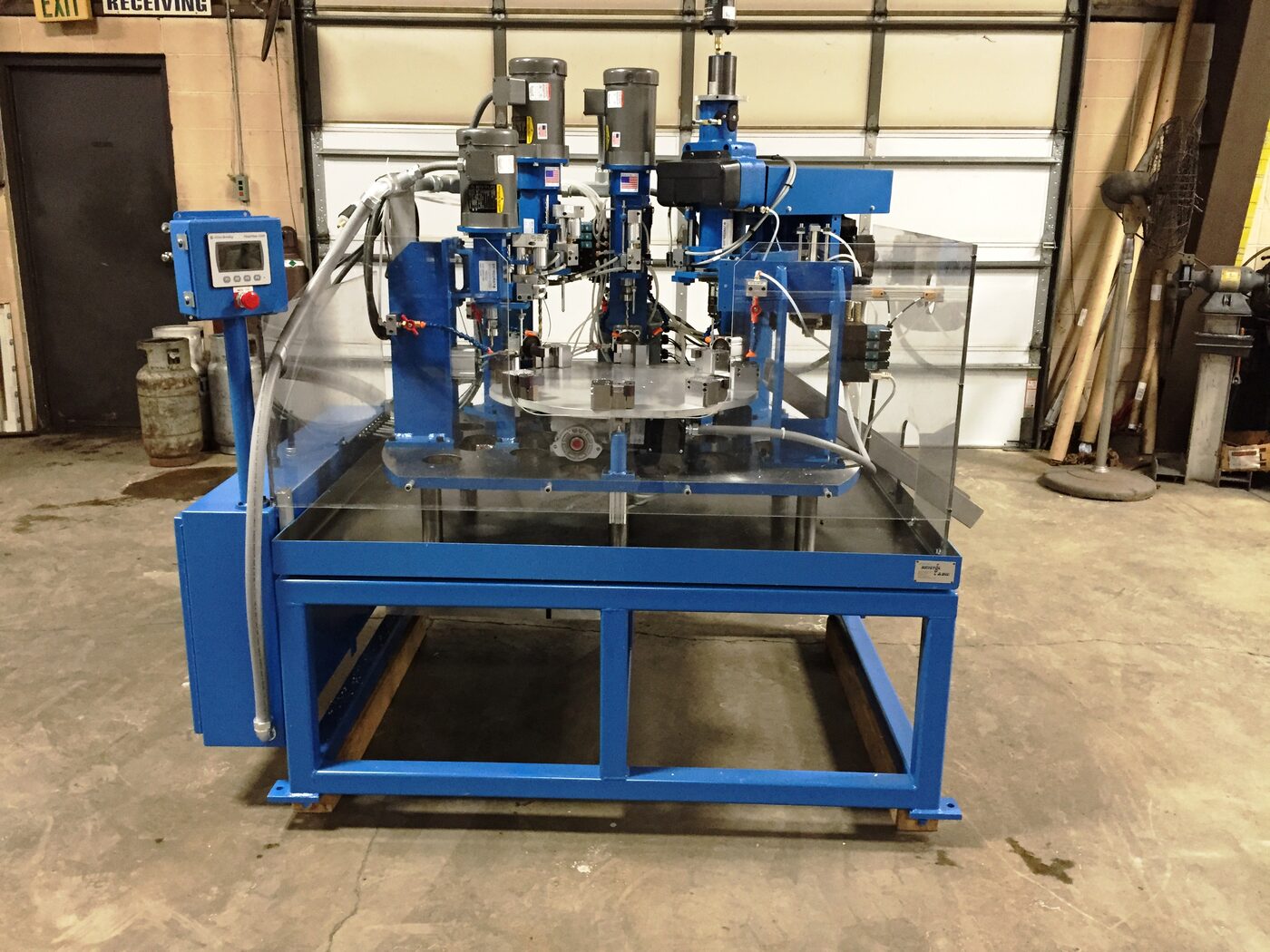
The in-house precision bench behind every Bristol die
Two Charmilles Robofil wire EDM machines. One Hurco 3-axis machining center. CNC lathes. Kent surface grinder. Lucas horizontal boring mill. Every Bristol stamping die runs through this equipment — it is the bench that holds ±.0001″ on hardened tool steel, day after day, because that is what every die detail in this shop requires. The same equipment supports die repair work: worn or damaged tooling components are re-cut, re-ground, and returned to spec on the same machines that built the die originally.
Wire EDM reaches where no rotating tool can: sharp internal corners, narrow slots, hardened steel after heat treat. CNC covers three-dimensional geometry fast. The combination on a single part — rough on the mill, finish detail on the wire — is how Bristol holds extreme tolerance without the cycle-time penalty of running everything on EDM.
The precision machining bench, by the specs
Wire EDM — Charmilles Robofil (x2)
- Tolerance: ±.0001″ routinely held on hardened tool steel.
- Materials: Tool steels (A2, D2, M2, S7), stainless 300/400-series, carbide, hardened die steels post heat treat.
- Typical applications: Die punch and matrix details, gear forms, fixture components, sharp internal corners that conventional machining cannot reach, prototype precision parts.
- Surface finish: EDM-cut finish suitable for direct use on most die details; can be polished or sized as required.
CNC machining — Hurco 3-axis and CNC lathes
- Hurco 3-axis machining center: Plates, brackets, die structural components, custom fixtures. Tolerance typically ±.0005″.
- CNC lathes: Turned components, shafts, bushings, hardware to print. Tolerance typically ±.0005″ on diameters and lengths.
- Materials: Mild steel, stainless, aluminum 6061/7075, brass, bronze, common tool steels.
- Surface grinding: Kent surface grinder for flat-stock finishing on plates and tool details.
- Large-bore work: Lucas horizontal boring mill for oversized components.
Three ways this equipment supports precision work
Die details and tooling components: the work that runs every day
The majority of our CNC and wire EDM capacity runs in support of the die and automation programs happening in the same building. A 14-station progressive die uses dozens of precision components — punches, matrices, lifters, retainers — produced here, from hardened tool steel, to the tolerance the die requires to run a decade. The capacity is not allocated away from that work.
Die repair & surface grinding: returning worn tooling to spec
When a die needs repair — a broken punch, a worn matrix, a detail that has drifted out of tolerance — the same wire EDM and surface grinding equipment that built the die originally brings it back. The Kent surface grinder handles flat-stock finishing on plates and tool details. Re-cut and re-ground details go back into the die without a dimensional compromise. This is a core part of what this shop does, and it keeps running tools in production rather than on a replacement lead time.
Limited contract precision work: when capacity allows
This equipment primarily runs in support of Bristol’s own die and automation programs. When shop loading permits, limited contract precision and die-repair work is accepted — prototype runs, low-volume production, replacement components for legacy systems, and specialty fixtures. Call to confirm availability before sending a print. The same machinists who hold ±.0001″ on die details will hold it on your part.
What we need to price the work
One-off and low-volume: a 2D print or STEP file is sufficient to start a quote. For die repair, the failed or worn component plus a description of what broke is the starting point. For wire EDM on hardened materials, we will sometimes recommend a CNC-then-EDM sequence to get you the part faster and less expensively than wire EDM alone. Because this capacity is primarily allocated to in-house die and automation programs, call first to confirm availability and discuss lead time before sending a print.
Frequently Asked Questions — Wire EDM, Die Repair & Precision Machining
Common questions about Bristol’s precision machining bench, die repair services, and limited contract availability.
What is the tightest tolerance Bristol can hold on a machined part?
On our Charmilles Robofil wire EDM, ±.0001 inch is routine on hardened tool steel.
On CNC machining and turning, ±.0005 inch is typical and tighter tolerances are achievable on specific features with appropriate inspection.
Tolerance capability is always quoted against a specific part geometry, material, and inspection method. Tell us the tightest dimension on the print and the gauge method; we will tell you whether we hold it.
What materials does Bristol cut on wire EDM?
Wire EDM cuts any conductive material. Bristol routinely runs:
- Tool steels: A2, D2, M2, S7, and other common grades
- Stainless steel: 300-series and 400-series
- Carbide
- Hardened die steels after heat treat
- Aluminum and copper alloys
Non-conductive materials cannot be cut on wire EDM. Those parts would be quoted on waterjet or CNC instead, depending on geometry.
Does Bristol accept outside contract machining work?
This equipment primarily runs in support of Bristol’s own die and automation programs. Limited contract precision and die-repair work is accepted when capacity allows. Lead times depend on part complexity, material availability, and current shop loading. Call to confirm availability before sending a print — we will give you an honest answer on whether we can fit the work.
Can Bristol machine a part if the original drawing no longer exists?
Yes. Reverse engineering is a regular service:
- Customer ships the original part (or what's left of it) to our facility
- We measure the part using our inspection tools and identify critical features
- We generate a working drawing and confirm critical dimensions with the customer before machining begins
- We machine the replacement and verify it against the original
This is particularly common for customers maintaining production equipment from the 1990s and 2000s where original drawings were never digitized.
Does Bristol provide CMM inspection or first-article reports?
Bristol provides first-article inspection on every new part with dimensions measured and documented against print.
For specialized inspection requirements:
- CMM (Coordinate Measuring Machine) reports
- GD&T (Geometric Dimensioning & Tolerancing) verification
- Surface finish measurement (Ra)
- Material certifications and traceability
...we coordinate with qualified inspection partners and include the results in the part documentation. Inspection scope and cost are agreed before the part runs.
Is wire EDM the right process for my part, or should it be CNC or waterjet?
Use this as a starting framework:
- Wire EDM when you need ±.0001″ tolerance, sharp internal corners, narrow slots, or cutting through hardened material post heat treat.
- CNC when the part has three-dimensional features, faster cycle is important, and tolerances are ±.0005″ or looser.
- Abrasive waterjet (OMAX or equivalent) when the part is flat-stock geometry, the material is non-conductive (so wire EDM is out), or heat-affected zones must be avoided.
Send us the print — we will recommend the right process or combination.
Industries served by this precision bench
The wire EDM and precision machining capability behind every Bristol die also supports work in these industry segments.
Ready to discuss your project?
Tell us your part and what broke, or call to check contract capacity. We’ll respond within one business day with a clear next step.